factoryfactory
Locus Cell and Charles River sign MoU to advance CGT development and production
By BioProcess International – New Facilities•03-17-2026March 17, 2026•3 min
 factory
Cell and gene therapy (CGT) contract development and manufacturing organization (CDMO) Locus Cell has signed a Memorandum of Understanding (MoU) with biotechnology firm Charles River Laboratories (CRL). Under the agreement, CRL will provide support in both drug development and biologics testing.
The parties signed the MoU at last week’s APAC Biomanufacturing Leadership Summit 2026 in Singapore, hosted by CRL and envisioned to advance industry investment and innovation in the Asia–Pacific (APAC) region.
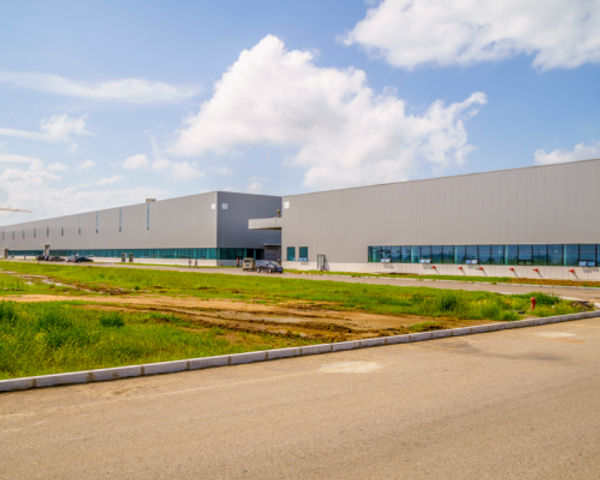
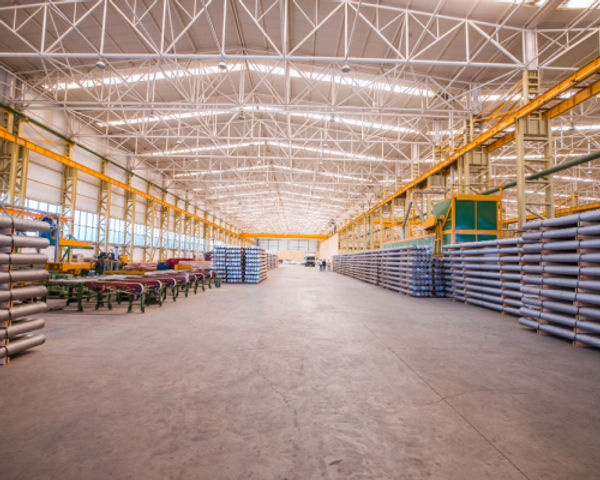
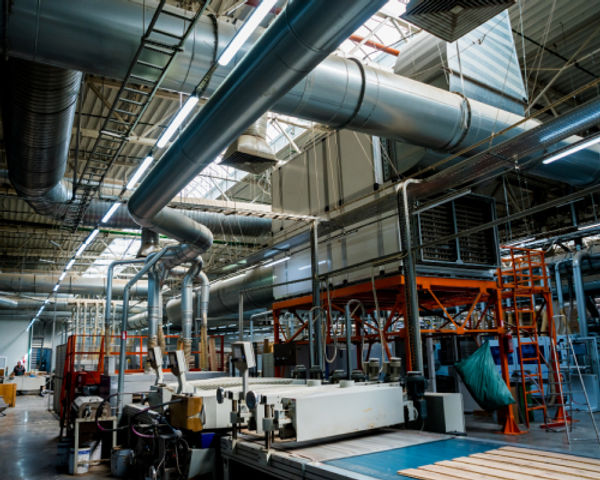
The signing will benefit Locus Cell’s smart cell factory, currently under construction in Zhubei, Taiwan, and nearing completion. The firm called the partnership a “strong strategic fit” and believes CRL’s contribution in testing and analytical development will help bolster its manufacturing infrastructure in Asia.
“By combining Charles River’s analytical capabilities with our dedicated CGT manufacturing platform in Taiwan, we see a strong opportunity to support advanced therapy developers in the Asia-Pacific region with more integrated development and manufacturing pathways,” said Sean Chang, CEO of Locus Cell, in a correspondence with BioProcess Insider.
He added that such complementary capabilities in manufacturing and testing can support developers in navigating technical and regulatory challenges that are often associated with slowing down progress. “Stronger collaboration across the value chain can help accelerate the development of advanced therapies and expand access to these innovations in Asia.”
Although his company is based in Taiwan, Chang told us that Locus Cell seeks to establish a global footprint and has prepared to meet international regulatory standards. “Our facilities are designed to meet PIC/S GMP expectations and incorporate digital manufacturing systems that support quality control, traceability, and scalable production,” he said.
The company is working to develop digital tools to streamline documentation and process development, echoing the push toward digitalization that experts discussed at BPI West in San Diego, California, also last week. “We are building systems that allow one-click generation of key documentation during process development, helping teams move faster while maintaining compliance with global regulatory standards.”
A region primed for growth
Major biotechnology hubs are emerging throughout the APAC region with rapid growth across modalities, even causing anxiety in the US over global control of the biotech sector.
“Several factors are driving the growth of CGT manufacturing in Asia–Pacific, including strong scientific talent, supportive government initiatives, and an increasing number of biotech innovators in the region,” Chang told us. “At the same time, global developers are looking for manufacturing partners who can meet international quality standards. Locus Cell was built specifically as a CGT-focused CDMO, and our new digital-native smart cell factory in Taiwan is designed to support the long-term growth of advanced therapy manufacturing in Asia.”
He concluded by stating that “by combining digital infrastructure, automation readiness, and advanced manufacturing design, we believe CGT production can become more scalable, efficient, and globally accessible.”
Recent Comments
0
Loading related news…