miningmining
Miners Dig Deeper As Brownfield Investment Accelerates Worldwide
By Australian Mining•02-12-2026February 12, 2026•3 min
Australian Mining•02-12-2026February 12, 2026•3 min mining
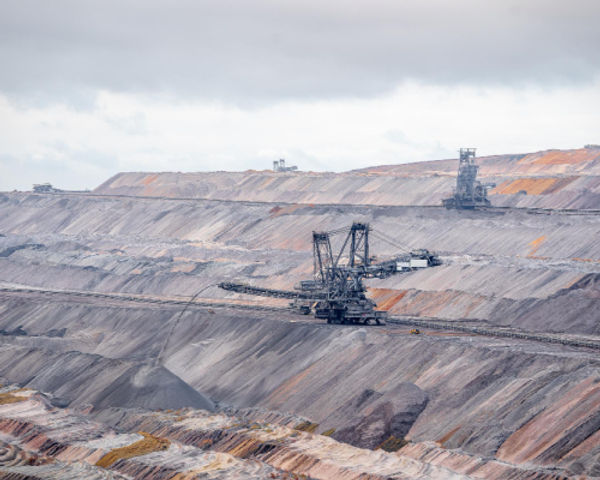
University of Queensland researchers have revealed capital expenditure at mine sites is expanding at an unprecedented rate, driven by rising demand for metals used in renewable energy projects, transport infrastructure, digital devices and data centres.
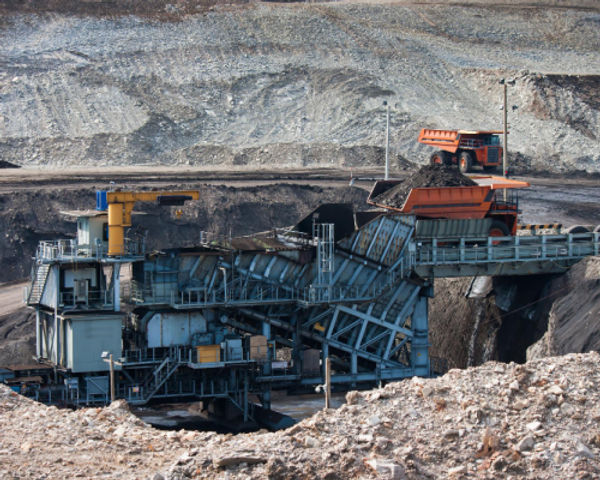
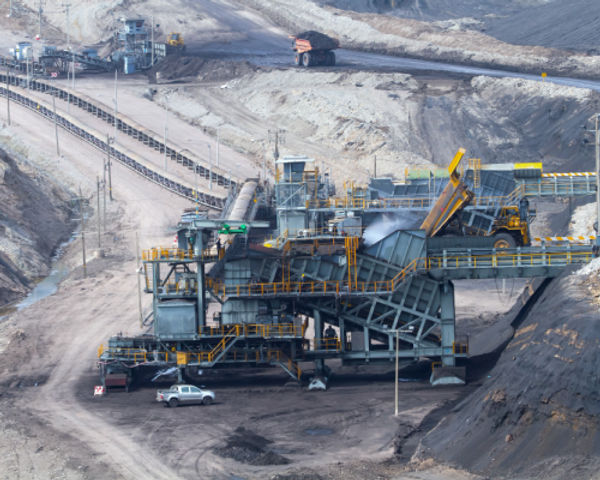
The study analysed 20 years of global mining activity and capital investment, identifying expansions at 366 brownfield mine sites across 57 countries. The findings suggest major miners are increasingly prioritising expansions of existing operations over greenfield developments to address looming supply shortfalls.
Study co-author Professor Deanna Kemp said growing complexity around the approval and development of new mine projects was encouraging companies to operate existing assets for longer and at greater scale.
“Complexities around new mine projects have fuelled the brownfield expansion trend, with miners often finding it a more viable option to keep supply flowing,” Kemp said.
“Mine expansion is not a new phenomenon, but the scale and rate we are seeing now certainly is, and it is solidifying as a structural feature of the global economy.
“This trend has significant social and environmental implications, and I don’t think we’ve truly considered them.”
The study noted that the deepening reliance on existing operations was occurring alongside recognised sustainability risks, including deferred and more complex mine closure challenges.
Kemp said expanding mines typically involved declining ore grades, larger pits or deeper underground workings, and increased volumes of waste material.
“Digging deeper is often coupled with a decline in the grade of the metal deposits,” she said.
“Larger pits or deeper underground mines also result in greater volumes of mine waste, which can create additional waste management and rehabilitation challenges.
“Simply put, it is very hard to get a new mine up and running.”
The study found that Chile leads global brownfield development, with 25.2 per cent of total worldwide capital investment, followed by the United States (11.4 per cent) and Australia (10.1 per cent).
The researchers found that as demand for critical minerals ramps up to support clean energy technologies and digital infrastructure, miners are intensifying production at existing sites.
Kemp said the trend highlighted the need for regulatory frameworks that better reflect how the sector is evolving.
“If the global energy and digital transition is going to increasingly rely on mine expansion, we need governance systems that are more realistic about a future where mines are larger, operate for longer, and are extended in different ways,” she said.
Subscribe to Australian Mining and receive the latest news on product announcements, industry developments, commodities and more.
Recent Comments
0
Loading related news…