powerplantpowerplant
The grid is in better shape this summer. Thank solar and batteries.
By Canary Media•05-27-2026May 27, 2026•6 min
Canary Media•05-27-2026May 27, 2026•6 min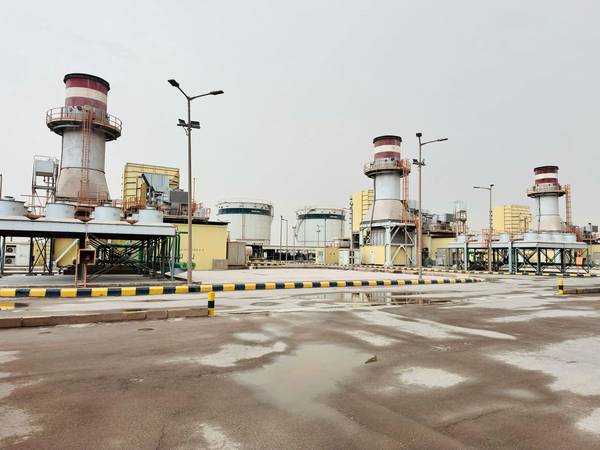 powerplant
It’s set to be an abnormally hot summer this year — but the U.S. grid appears to be in decent shape to handle the heat. The credit goes to a boatload of new solar and storage and a handful of new gas plants.
That’s the upshot of the new summer reliability assessment from the North American Electric Reliability Corp., which oversees the U.S. and Canadian electric systems.
“Record resource additions have strengthened readiness for the summer season,” NERC highlighted, including “a substantial influx of solar and battery” resources — the most prevalent and lowest-cost new sources of grid power — as well as “some new natural gas-fired generators.”
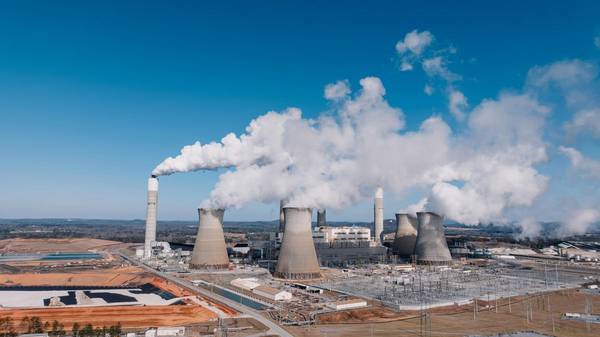
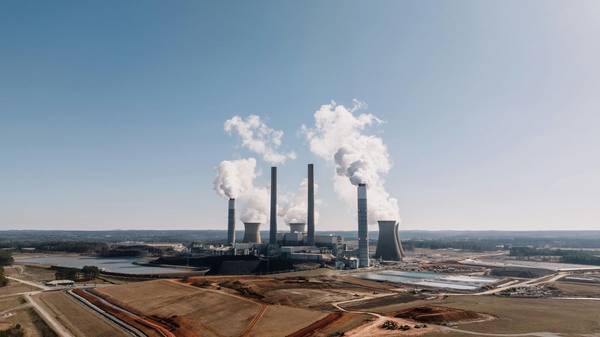
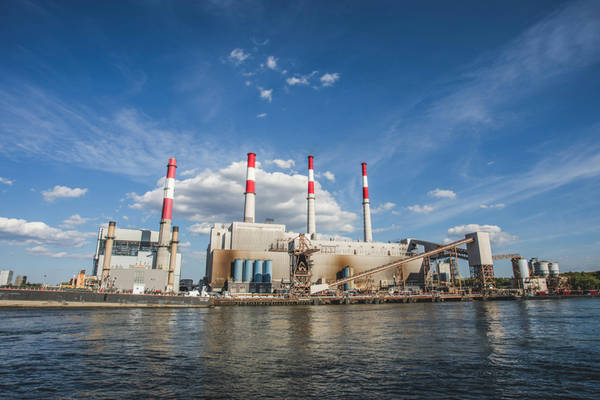
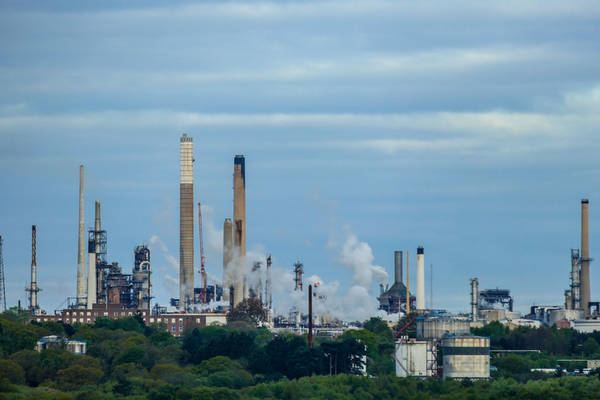
The report contradicts the Trump administration’s claims that aging fossil-fueled plants are needed in order to prevent blackouts. Over the last year, the Department of Energy has forced five coal plants and one oil- and gas-fired power plant to stay online past their planned retirements, citing an energy emergency that grid experts say does not exist. The approach is now being challenged in court.
However, it’s not the presence of expensive old fossil-fueled power plants that has put the grid in a good position heading into the summer — it’s the rapid expansion of solar and energy storage.
In fact, NERC’s latest summer assessment reached its conclusions without including any of the power plants forced to stay open by the Trump administration. “These plants and units were not incorporated into the anticipated resources of their corresponding assessment areas for Summer 2026,” the report notes.
“NERC’s summer reliability assessment confirms what we’ve known all along,” Tyson Slocum, director of the energy program at nonprofit watchdog group Public Citizen, said in a Thursday statement. “Delaying the retirement of outdated coal plants that require millions of dollars in upgrades and maintenance to keep them operational only prevents more reliable sources from being added to the grid.”
To be clear, some regions still face an elevated risk this year.
NERC’s report says New England, the Pacific Northwest, West Texas, and Canada’s Saskatchewan province could face potential electricity shortfalls under “abnormal summer conditions,” like elevated temperatures that push up air-conditioning demand. The Pacific Northwest is also facing drought conditions that hampered the hydropower it relies on.
Still, that’s a big improvement from the assessment for the summer of 2025, when NERC projected elevated risk during abnormally hot and dry summer conditions in six U.S. regions, including a wide swath of the middle of the country from Texas to the Canadian border.
Those areas no longer at risk include the 15 U.S. states from Louisiana to North Dakota and the Canadian province of Manitoba, whose grid is managed by the Midcontinent Independent System Operator, which provides power to about 45 million people. Notably, MISO is host to several of the coal-fired power plants in Michigan and Indiana that the DOE has forced to stay online.
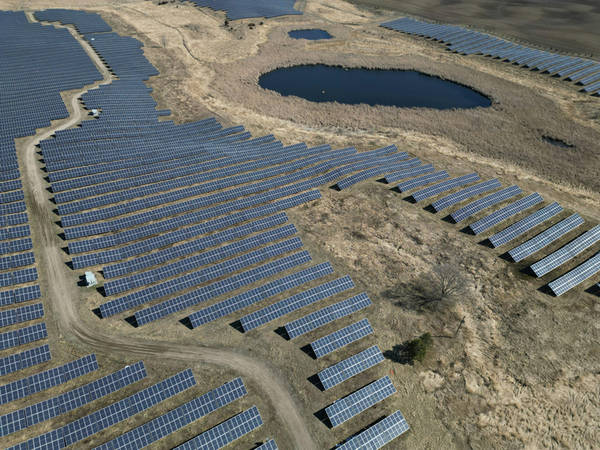
While NERC did track about 7 gigawatts of new fossil gas generation added since last summer, that was eclipsed by the 30.5 gigawatts of solar generation capacity added in the same period, according to the report.
Solar doesn’t provide its full nameplate generation capacity during morning and evening hours or when it’s cloudy, and of course it generates nothing at night. But it does generate a lot of power during the hottest hours of typical summer days. NERC found that the 30.5 gigawatts of new solar are contributing 16.4 gigawatts of capacity at times of peak summer demand.
Batteries that can store excess solar power for use later in the day have also come online at a rapid clip. NERC tallied more than 16 gigawatts of battery capacity added since last summer.
Most of those batteries have been built in Texas and California, as well as in other parts of the U.S. West, the report notes. Solar-charged batteries have been saving the California and Texas grids from summer shortfalls in recent years, helping to dramatically reduce the risk of heatwave-driven blackouts.
But solar and batteries have also bolstered other regions.
“MISO’s capacity resources have improved since Summer 2025,” the report says, with the new additions “made up of predominantly solar resource installations, along with smaller amounts of natural gas, wind, and battery storage resources.”
The assessment underscores the fact that solar and wind make the grid more reliable even though the Trump administration likes to argue otherwise, said Jessi Eidbo, a senior adviser at the Sierra Club and member of NERC’s Large Loads Working Group.
“This is not a conversation about renewables being tied to reliability risk,” she said. “This report reflects the conclusion that renewables are significant contributors to reducing risk on the system today.”
To prove the point, Eidbo highlighted the section of NERC’s report that calculates what proportion of the total capacity of solar, wind, hydropower, and battery storage is available to serve the peak demand hour in a given area. That’s an important metric to determine how helpful different resources are during crunch time for the grid.
NERC found that the 20.4 gigawatts of solar available in MISO are capable of providing 60% of their nameplate generation capacity during peak hours. NERC’s assessment of the peak load contribution of MISO’s fleet of roughly 3.6 gigawatts of battery storage was even higher, at 97%.
NERC found similar, if slightly lower, values for solar and batteries to meet summer peak hours in the Southwest Power Pool, a grid operator serving 14 Midwest and Great Plains states. The report assigned a 54% peak contribution rating to SPP’s 3.9 gigawatts of solar, and an 84% peak contribution rating to the region’s 1.3 gigawatts of battery storage.
Both of those regions have fallen from “elevated” risk to “normal” risk from summer 2025 to summer 2026, Eidbo noted — and both “have very high percentages of nameplate capacity from energy storage systems.”
This is a good sign that solar and batteries, both of which can be built more quickly and cheaply than gas plants, can also serve the grid when the summer heat hits and demand goes through the roof.
Jeff St. John
is chief reporter and policy specialist at Canary Media. He covers innovative grid technologies, rooftop solar and batteries, clean hydrogen, EV charging, and more.
Recent Comments
0
Loading related news…