railway
European Railway Award 2026 Gala
By Railway Pro•February 04, 2026•3 min read
Railway Pro•February 04, 2026•3 min read
In a European context marked by discussions on economic competitiveness, security, and military mobility, rail transport is back at the center of the European Union’s political agenda. This message was clearly reflected at the European Railway Award 2026 gala, where the joint political initiatives of the Member States were placed on the same level as national institutional achievements in the field of railways.
The awards were presented in Brussels at a ceremony organized by UNIFE, the Association of the European Railway Industry, and the Community of European Railway and Infrastructure Companies (CER), which brought together representatives of European institutions, national governments, and the railway industry.
The Rail Trailblazer 2026 award was given to a group of Member States that signed a joint letter to the European Commission calling for the acceleration of the development of a truly integrated European high-speed network.
The initiative was praised for its role in strengthening the political momentum around high-speed rail projects, which are considered a key tool for sustainable mobility and economic growth in the Union.
According to the organizers, the impact of this initiative is already visible in recent European Commission strategy documents, including the High-Speed Rail Plan and the Military Mobility Package, presented at the end of 2025.
The joint initiative to promote a European high-speed rail network was supported by ten EU Member States: Latvia, Slovakia, Estonia, Czech Republic, Hungary, Italy, Lithuania, Romania, Spain, and Poland, which signed the appeal to the European Commission to accelerate the development of high-speed rail infrastructure at the continental level.
The Rail Champion 2026 award went to Poland for its work during its Presidency of the Council of the European Union.
During this period, Warsaw placed rail transport among its political priorities, with an emphasis on investment, innovation, and the role of the rail industry in strengthening European resilience.
The award was accepted by Piotr Malepszak, Secretary of State in the Polish Ministry of Infrastructure, who highlighted the direct link between transport, security, and competitiveness in a European context increasingly marked by hybrid risks and attacks on critical infrastructure.
During the event, UNIFE and CER announced the signing of a joint statement in which the European rail industry and operators make a coordinated commitment to modernize, harmonize, and expand the European rail network.
The document highlights the need to ensure continued funding, reduce system costs, accelerate investment in research and innovation, and implement digital solutions, including ERTMS, on a large scale.
At the same time, the declaration links transport and security objectives, highlighting the importance of rail infrastructure for military mobility and the protection of European citizens.
The ceremony began with a moment of silence dedicated to the victims of recent railway accidents in Spain and the drone attack on a passenger train in Ukraine, highlighting the vulnerability of railway infrastructure in an unstable geopolitical context.
In their speeches, representatives of European institutions and industry insisted on the need to transform political commitments into concrete projects capable of removing cross-border bottlenecks and speeding up train traffic between Member States.
The European Railway Awards, presented annually since 2007, aim to recognize initiatives that contribute to the development and consolidation of rail transport in Europe.
The 2026 edition highlighted, more than in previous years, that the future of European railways depends not only on investment and technology, but also on policy coherence and cooperation between Member States.
0
Recent CommentsRailway Related News You might want to check out
View by

New York Tourist Railroad Eyes New Home
Railfan and Railroad
04 February 2026
railway
Pacific Northwest Short Line Looks To Restart Tourist Train
Railfan and Railroad
04 February 2026
railway

Adelaide Metro Celebrates Drop In Incidents After New Safety Measures
Rail Express
04 February 2026
railway
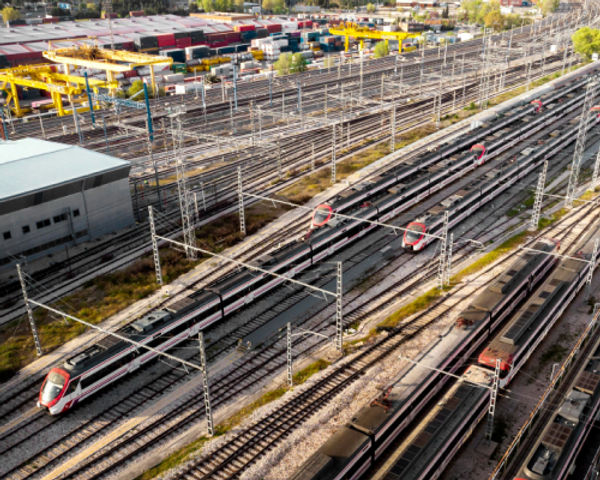
Metro Tunnel Makes The Big Switch
Rail Express
04 February 2026
railway

Shri Hari Shankar Verma Assumes Charge As Member (Operations & Business Development), Railway Board
Rail Analysis
04 February 2026
railway
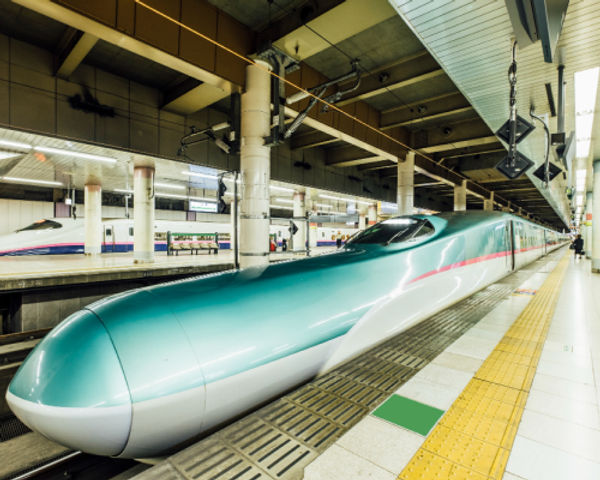
Webuild Secures Rome Metro C Section T1 Contract Reinforcing Leadership In Sustainable Metro Construction
GRR
04 February 2026
railway
South Eastern Railway Records Highest-Ever Passenger Trust Scores
GRR
04 February 2026
railway
European Railway Award 2026 Gala
Railway Pro
04 February 2026
railway
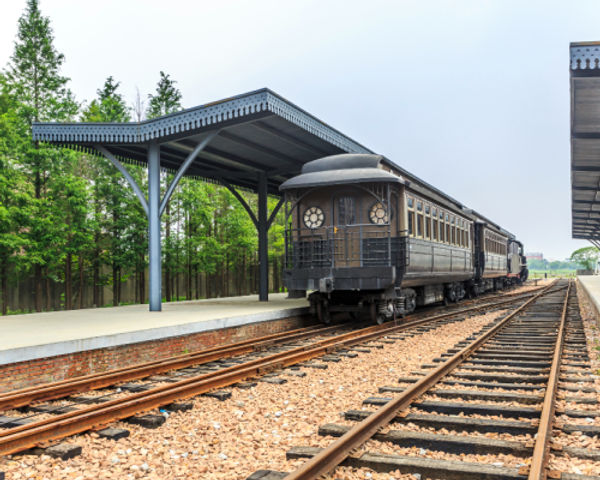
Unife: Europe’S Transport Challenges Demand Rail First
Railway Pro
04 February 2026
railway

Cpkc Sets New Grain-Haul Record For January
Progressive Rail Roading
04 February 2026
railway
Phoenix Pulls Plug On Capitol Light-Rail Extension
Progressive Rail Roading
04 February 2026
railway
Rail Supplier News From Knoxville Locomotive And Bohr Electronics
Progressive Rail Roading
04 February 2026
railway