railway
Union Budget 2026–27 Allocates Rs. 14,205 Crore For Railway Modernisation And Expansion In West Bengal
By Rail Analysis•February 07, 2026•5 min read
Rail Analysis•February 07, 2026•5 min read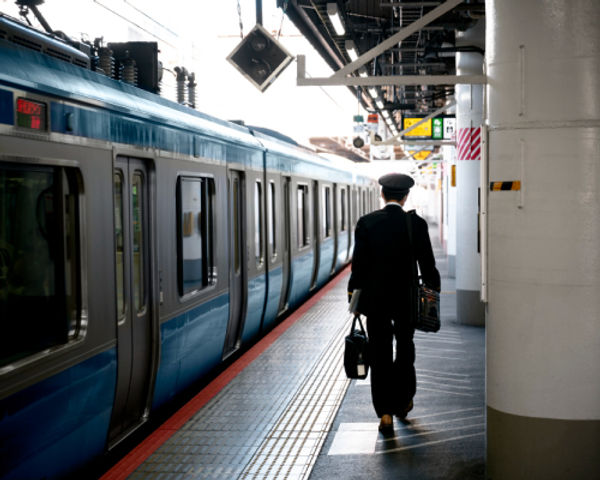
Indian Railways has announced a record allocation of Rs. 2.78 lakh crore in the Union Budget 2026–27. Of this, West Bengal has been allotted Rs. 14,205 crore for high-speed rail projects, dedicated freight corridors, metro expansion, and station redevelopment. The landmark investment marks a major leap in connectivity, logistics, and passenger infrastructure across eastern India.
Introduction:
Indian Railways is poised for a transformative leap as the Union Budget 2026–27 earmarks a record allocation of Rs. 2,78,000 crore, marking one of the most ambitious investment phases in the history of the national transporter. The announcement was made by Hon’ble Minister of Railways, Shri Ashwini Vaishnaw, during a press conference held via video conferencing on February 2, 2026.
Highlighting the government’s vision for a future-ready railway network, the Minister emphasized that the unprecedented allocation reflects a strong commitment towards modernization, safety enhancement, capacity expansion, and high-speed connectivity. Of the total outlay, West Bengal has received a substantial Rs. 14,205 crore, underscoring the state’s strategic importance in India’s rail infrastructure growth.
Historic Allocation for West Bengal:
The Rs. 14,205 crore allocation for West Bengal in 2026–27 stands in sharp contrast to the average annual allocation of Rs. 4,380 crore during the 2009–2014 period. This significant increase aims to strengthen rail connectivity, enhance passenger amenities, and improve freight movement across the state.
The funding will be utilized for new track creation, station redevelopment, safety upgrades, and modernization of existing infrastructure, placing West Bengal at the center of eastern India’s rail transformation.
High-Speed Rail Corridor – Eastern India’s New Backbone:
A landmark announcement during the press briefing was the proposed high-speed rail corridor between Varanasi and Siliguri via Patna. Designed to facilitate future bullet train operations, this corridor is expected to significantly enhance high-speed connectivity in eastern India.
The Minister further revealed that the corridor is planned to be extended up to Guwahati in the future, creating a continuous high-speed rail backbone that will connect major economic and cultural hubs across the eastern and northeastern regions.
Dankuni–Surat Freight Corridor to Strengthen Logistics:
Another major infrastructure initiative announced was the construction of the Dankuni–Surat Freight Corridor. This strategic logistics project will pass through multiple states, including West Bengal, Odisha, Chhattisgarh, Madhya Pradesh, Maharashtra, and Gujarat.
The freight corridor is expected to improve freight efficiency, reduce transit times, decongest existing passenger routes, and strengthen industrial supply chains. For West Bengal, the corridor is likely to enhance port connectivity and industrial competitiveness.
Expansion of Passenger Train Services:
Passenger convenience has also been a key focus area. Shri Vaishnaw informed that more than a dozen new train services were introduced in West Bengal over the past year, significantly improving regional and long-distance connectivity.
The addition of modern trains reflects Indian Railways’ ongoing efforts to enhance comfort, reliability, and accessibility for passengers across urban and rural areas.
Rapid Growth of Kolkata Metro Network:
Urban mobility in West Bengal has received renewed momentum with the accelerated expansion of the Kolkata Metro network. While only 27 km of metro lines were constructed over a span of four decades between 1972 and 2014, an impressive 45 km have been added in just 11 years since 2014.
This rapid pace of metro expansion highlights a focused push towards sustainable urban transport and congestion reduction in the Kolkata metropolitan region.
Amrit Station Scheme – World-Class Stations:
Under the Amrit Station Scheme, more than 100 railway stations in West Bengal have been identified for comprehensive redevelopment. These stations will feature modern passenger amenities, improved accessibility, upgraded infrastructure, and enhanced aesthetics to create a world-class travel experience.
Similar redevelopment initiatives are underway in neighboring states, with 57 stations in Jharkhand and 59 stations in Odisha included under the scheme.
Broader Eastern Region Investments:
The Union Budget also reflects substantial increases in railway investment across eastern India. Jharkhand has received an allocation of Rs. 7,536 crore against an earlier average of Rs. 457 crore, while Odisha has been allotted Rs. 10,928 crore compared to an average of Rs. 838 crore during 2009–2014.
These investments aim to strengthen safety measures, expand capacity, and modernize rail operations across the region.
Railway Leadership Engages with Media:
Following the Minister’s address, Shri Milind Deouskar, General Manager, Eastern Railway, interacted with media representatives, discussing key development works and achievements of Eastern Railway. Similarly, Shri Anil Kumar Mishra, General Manager, South Eastern Railway, addressed the media from SER Headquarters, Garden Reach, elaborating on the budgetary provisions and future plans.
Conclusion:
The record railway allocation in Budget 2026–27 marks a defining moment for West Bengal and eastern India. With high-speed corridors, freight infrastructure, metro expansion, and station modernization, Indian Railways is set to drive economic growth, enhance mobility, and usher in a new era of rail connectivity.
Source: South Eastern Railway – Press Release | Image Credit (representational): Metro Railway Kolkata
Timely insights, straight to your WhatsApp—stay updated with ease!
Stay connected to the rail industry—timely news, straight to Telegram!
0
Recent CommentsLoading related news…