stadium
China’S Anta Eyes World Domination With $1.8B Puma Deal
By Front Office Sports•January 28, 2026•4 min read
Front Office Sports•January 28, 2026•4 min read
Anta Sports is now the largest shareholder in German sportswear giant Puma after buying a $1.8 billion (€1.5 billion) stake, marking the Chinese company’s latest move toward becoming a global sports apparel powerhouse.
The deal sees Anta buying a 29.06% stake in Puma from Groupe Artémis, the investment house of the Pinault family, which had owned the stake since 2018. Artémis also owns companies like Creative Arts Agency, auction house Christie’s, and more. Rumors that Puma was up for grabs date back to the summer; Reuters reported earlier this month that Anta had made an offer.
The €35 per share purchase price represents a premium of almost 62% over Puma’s closing price on Monday. Puma stock had been slumping for some time; shares have fallen by more than 70% over the last five years, and ended 2025 nearly 50% lower. Shares were up more than 9% midday Tuesday.
The deal underscores the current gap in scale between the two companies; as of Monday, Puma’s market capitalization was about $3.5 billion, compared to Anta’s $27 billion.
For Anta, the deal is aimed at furthering its global “reach, recognition and competitiveness,” according to the press release. The company has a very strong presence in Asia, including through its ownership of the Chinese franchise rights to the Fila brand. It also owns Maia Active, a Shanghai-based sportswear brand for women, South Korean apparel company Kolon Sport, and Japanese clothing company Descente.
But in recent years, Anta—whose pro athletes include NBA stars Kyrie Irving and Klay Thompson—has been building up its brand outside of that region. It’s also the largest shareholder of Amer Sports, which went public in late 2024 and owns brands like Salomon, Arc’teryx, and Wilson. Last year, it bought German outdoor apparel company Jack Wolfskin from Callaway.
Founded in 1948, Puma is a well-recognized global brand, but its recent struggles have been well documented. Telsey Advisory Group analyst Cristina Fernández told FOS in August, “Puma is not a broken brand. The company needs to go through its portfolio, see where it needs more innovation, bring back retro products, and find collaborations that hit—like it did with Rihanna in the past.”
Anta’s board chairman Ding Shizhong said in Tuesday’s press release that the deal “marks a major step forward in our ‘single-focus, multi-brand, globalization’ strategy.”
“This will further accelerate [Anta’s] globalization, and help drive the next chapter of growth for the global sports markets including China—creating lasting value for both companies’ consumers and shareholders worldwide.”
Puma is in the beginning stages of a turnaround plan overseen by CEO Arthur Hoeld, who was appointed in April. The company had an “abysmal 2025,” according to Morningstar retail analyst David Swartz. Puma has admitted as much, saying in its most recent earnings report—for the third quarter of 2025—that it suffered a net loss of $74 million (€62.4 million) for the quarter while sales declined by a “low double-digit percentage.” The company attributed the difficulties to multiple factors, including “muted brand momentum, elevated inventory levels across the trade and low quality of distribution.”
Swartz also noted “the deal is odd in that Puma was apparently not involved, even though a competitor will become its largest shareholder.”
Puma was not quoted in the press release, and only offered comment later in the morning through a statement issued by Hoeld, which says Puma “acknowledges” the transaction. Hoeld said Puma’s “strategic priorities are clear. We are focused on strengthening our global brand, delivering compelling products, and engaging consumers worldwide to become a Top 3 global sports brand.”
“We see this as a vote of confidence in Puma and its strategic direction,” he added.
Anta’s acquisition of the 29.06% stake is expected to close before the end of this year, and Anta intends to seek seats on Puma’s supervisory board.
Although its press release says it “currently has no plans to make a takeover offer for Puma,” the prospect of Anta seeking to buy the entire company has been built into the deal. A filing with the Hong Kong Stock Exchange notes Anta would pay additional compensation in the event a takeover offer is made within 15 months from the “effective transfer date,” which is two days after the deal has been completed.
Matt Powell, a footwear and retail industry expert who heads up consulting firm Spurwink River, tells Front Office Sports the investment “allows Anta to really get to know the Puma business from the inside and to influence future direction, as well as gaining some board seats.”
“It sets Anta up to take over if they choose, and also gives them an out if they lose interest,” he says.
0
Recent CommentsStadium Related News You might want to check out
View by
Manfred, Desantis Support Rays Stadium, Funding Questions Persist
Front Office Sports
05 February 2026
stadium
Fund Backing Women’S Sports Raises $250M And Counting
Front Office Sports
04 February 2026
stadium
Rybakina Defends Once-Banned Coach After Australian Open Win
Front Office Sports
03 February 2026
stadium
Nfl, Espn Finalize Landmark Deal After Federal Approval
Front Office Sports
02 February 2026
stadium

Kansas City Chiefs Down To Final Two For New Stadium Design
Stadia Magazine
30 January 2026
stadium
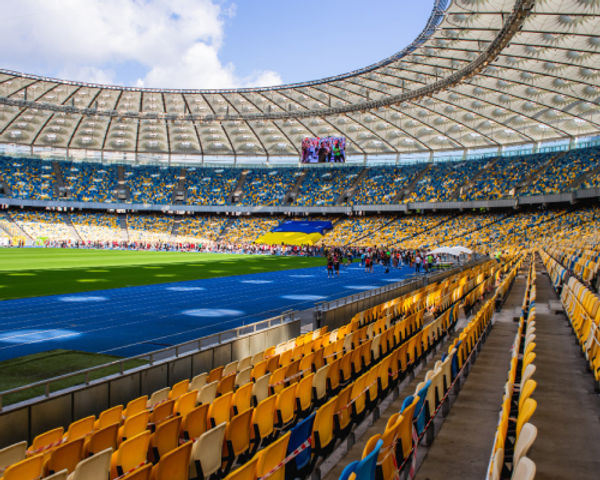
$450M Plan Unveiled For David Booth Kansas Memorial Stadium Redevelopment
Stadia Magazine
30 January 2026
stadium

New Sydney Arena Proposal Moves Forward With Two Bidders Revealed
Austadiums
30 January 2026
stadium
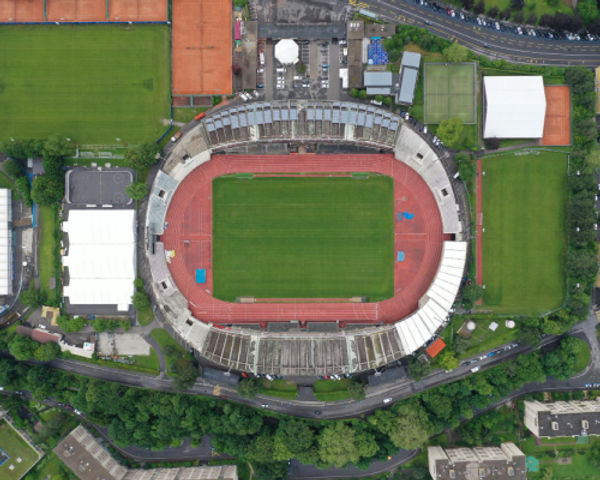
Red Open-Air Ramps Weave Around Sordo Madaleno'S Fifa 2030 Stadium In Gijón, Spain
Design Boom- Stadium
29 January 2026
stadium
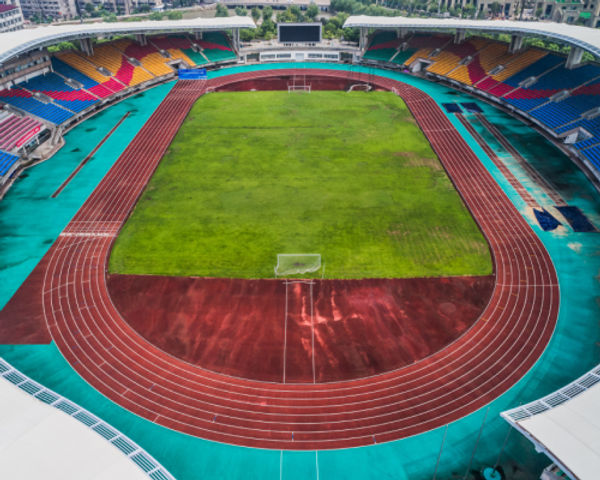
Just Before Completion, Real Madrid'S Stadium Unveils Revamped Metallic Facade
Design Boom- Stadium
29 January 2026
stadium
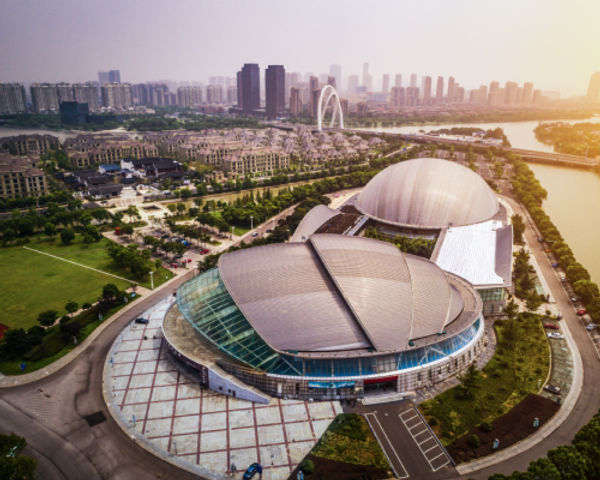
Geometric Facade Wraps Stadium By Wta Design Studio, Reflecting Traditional Ilocano Fabric
Design Boom- Stadium
29 January 2026
stadium
Ch+K Reveals Construction Updates Of Its Multipurpose Arena In Jihlava, Czech Republic
Design Boom- Stadium
29 January 2026
stadium
Cvc’S New Sports Business Buys Into $300M Equestrian Company
Front Office Sports
29 January 2026
stadium
Sky Stadium Enters New Naming Rights Era With Hnry Partnership
Austadiums
29 January 2026
stadium

Populous Named Finalist For Lead Designer Of New Kansas City Chiefs Stadium
Populous
28 January 2026
stadium
China’S Anta Eyes World Domination With $1.8B Puma Deal
Front Office Sports
28 January 2026
stadium
Nfl Stadium Designers Battle To Win $3B Chiefs Project
Front Office Sports
28 January 2026
stadium

New Stadium Project In Novi Sad Secures Location Permit, Setting New Standards For Sports Infrastructure In Southeast Europe
Sports Venue Business
24 January 2026
stadium
Washington Commanders Unveil Renderings Of New World-Class Stadium
Stadia Magazine
23 January 2026
stadium
Tampa Bay Rays Take Major Step Towards New Mlb Stadium
Stadia Magazine
23 January 2026
stadium
Rays Stadium Saga Clears Hurdle Toward New Tampa Development
Front Office Sports
22 January 2026
stadium