water
£510M Grand Union Canal And £200M Minworth Water Transfer Schemes Progressed By Ofwat
By New Civil Engineer- Water•January 31, 2026•4 min read
New Civil Engineer- Water•January 31, 2026•4 min read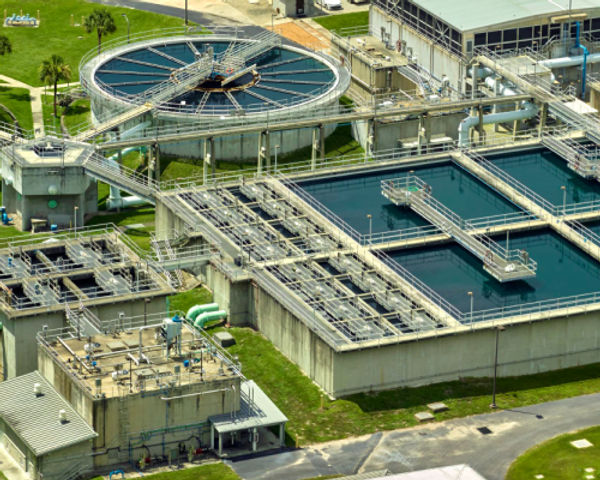
Ofwat has authorised further funding for two large water supply options, the £510M Grand Union Canal Strategic Resource Option and the £200M Minworth Strategic Resource Option, allowing them to progress to the next formal review stage, known as gate four.
Both schemes are collaborative proposals involving Severn Trent and Affinity Water and form part of the Government-backed Regulators’ Alliance for Progressing Infrastructure Development (Rapid) programme, which aims to secure long-term water resources and manage demand in England.
The Grand Union Canal Strategic Resource Option would make use of canal-linked infrastructure to increase water transfers or supply resilience, while the Minworth option centres on upgrading and augmenting assets around the Minworth area in the West Midlands. Both are part of a wider national push to diversify sources of water supply amid growing pressure from population growth, climate variability and regional imbalances between supply and demand.
At the previous stage, gate three, regulators imposed Conditional Review Points on each project. Concerns cited at that time included the maturity of the proposed solutions, gaps in the delivery programme and significant uncertainty around cost estimates. Minworth’s review was also influenced by its technical and delivery links to the Grand Union Canal option, prompting coordinated scrutiny.
Project teams for both schemes subsequently supplied further information addressing the regulators’ queries. Submissions included updated programme timetables, strengthened governance arrangements, more mature design information and revised cost assumptions.
Rapid and Ofwat reviewed those updates and concluded the additional material demonstrated sufficient progress to permit both options to continue to gate four. The decision reflects a judgement that the projects have reduced the key uncertainties identified at gate three to an acceptable level for the next phase of development.
Regulators confirmed the timing for gate four remains August 2027 for both schemes, a date described as consistent with Rapid programme principles. Moving to gate four typically allows projects to access further funding for detailed design, planning and continued development, subject to subsequent reviews.
Last year, Affinity Water began engaging on delivery of the Grand Union Transfer itself, while Severn Trent sought feedback on plans for the Minworth Advanced Water Treatment Plant.
Affinity Water issued a preliminary market engagement notice, signalling the start of an early market consultation for the Grand Union Transfer, anticipated to be worth approximately £425M excluding VAT (£510M with VAT).
The solution’s deployable output will be 50Ml/d by 2031/32, with the potential for a further 50 Ml/d by 2040-2050 if required. Flow will be transferred from Severn Trent’s new Advanced Water Treatment Plant at Minworth via a new pipeline over approximately 20km to a discharge point into the Coventry Canal. For much of its length, the transfer will flow along the existing canal network using gravity, making use of pumping stations and by-passes as necessary. The water will then be abstracted at Leighton Buzzard for treatment.
Later in the year, Severn Trent Water then launched the second stage of preliminary market engagement for the delivery of the Minworth Strategic Resource Option.
The Minworth project focuses on the northern section of the wider GUCT initiative, centred on the construction of an Advanced Water Treatment Plant (AWTP) at Severn Trent’s existing Minworth site. This state-of-the-art facility will treat recycled water to a high standard before it is transferred via a 17km underground pipeline to an outfall in the Coventry Canal at Atherstone. From there, the water will be transported along the canal network as part of the wider Grand Union Transfer scheme which ultimately serves to meet increasing water demand in the Southeast.
Advancing to gate four does not guarantee final approval or construction. Projects must continue to satisfy regulatory tests at later gates, including robust cost estimates, environmental assessments and delivery plans. This recent decision signals that regulators consider the proposals sufficiently developed to warrant further public investment and scrutiny, but substantial work remains before final investment decisions.
Like what you've read? To receive New Civil Engineer's daily and weekly newsletters click here.
0
Recent CommentsWater Related News You might want to check out
View by
High-Solids Epoxy Coating For Potable Water Infrastructure
Water Plant Technology
31 January 2026
water
Haskoning Appointed As A Lead Contractor For New £192 Million Defra Framework
Water Briefing
31 January 2026
water
Uisce Éireann Starts Work On Multi-Million-Euro Upgrade For Newmarket-On-Fergus Wwtw
Water Briefing
31 January 2026
water
Thames Water Tenders £45 Million Amp8 Contract For Digital Contingent Labour Framework
Water Briefing
31 January 2026
water
Scottish Water Tenders £26.5 Million Contract For Provision Of Laboratory Consumables
Water Briefing
31 January 2026
water
£510M Grand Union Canal And £200M Minworth Water Transfer Schemes Progressed By Ofwat
New Civil Engineer- Water
31 January 2026
water
Average Household Water Bills Set To Rise 5.4% A Year From April To £639
Water Briefing
30 January 2026
water
Environment Agency Progresses Research Into Managing Pfas In The Water Environment
Water Briefing
30 January 2026
water
Ni Water Updates Belfast City Council On Impacts Of Long-Term Underinvestment On Wastewater Capacity And Economic Growth
Water Briefing
30 January 2026
water
Flocean Wins World Economic Forum Water Resilience Challenge
Filtration + Separation
29 January 2026
water
Zhengzhou’S Sewage Shift To Green And Low-Carbon Development
The Source Mag
28 January 2026
water
Charting The Next Wave Of Transformation In Istanbul
The Source Mag
28 January 2026
water