powerplant
Gcc Begins Direct Power Grid Interconnection Project With Oman To Strengthen Regional Energy Security
By Solar Quarter•February 03, 2026•3 min read
Solar Quarter•February 03, 2026•3 min read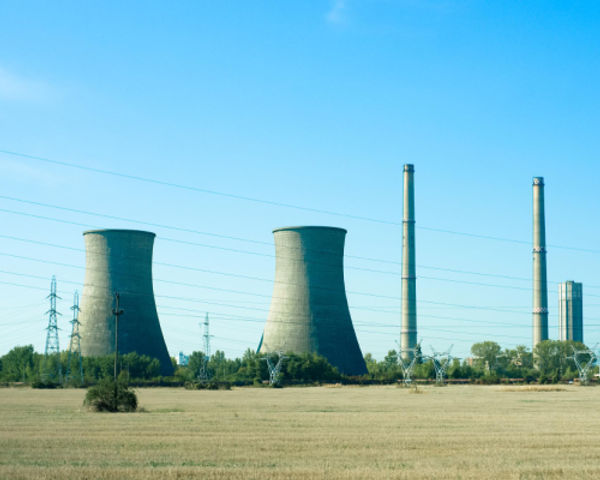
The Gulf Cooperation Council Interconnection Authority has begun implementing the direct electrical interconnection project between the GCC power grid and the Sultanate of Oman, marking an important step in strengthening regional energy cooperation and infrastructure integration. The project reflects the steady progress of Gulf countries toward deeper collaboration in the energy sector, with a strong focus on reliability, sustainability, and long-term energy security.
Mohsen Al-Hadhrami, Undersecretary of the Ministry of Energy and Minerals and Chairman of the Board of the Gulf Cooperation Council Interconnection Authority, said that the project is more than just a technical extension of electricity networks. He explained that it represents a continuation of a long-term strategic vision laid down by the leaders of the Gulf Cooperation Council, who identified energy infrastructure as a key pillar of regional integration. According to him, the leaders believed that energy security is essential for political stability, economic growth, and sustainable development across the region.
Al-Hadhrami noted that the Gulf electrical interconnection project has proven its value over more than 25 years of operation. During this period, it has played a major role in improving the reliability of power supply across GCC countries and has helped achieve significant economic savings by allowing member states to share reserves and manage power shortages more efficiently. He added that the direct interconnection with Oman will further strengthen the Gulf grid by increasing its depth and operational flexibility, while also reflecting a mature and advanced model of Gulf partnership in financing and implementing large infrastructure projects.
Ahmed Al Ibrahim, Chief Executive Officer of the Gulf Cooperation Council Interconnection Authority, said that the Oman interconnection is one of the largest expansion projects in the authority’s history. He explained that the project aims to enhance the capacity of the Gulf grid to meet rapidly growing electricity demand across GCC countries. This growth is driven by expanding internal transmission networks, major changes in electricity consumption patterns, and a continuous increase in power generation capacity.
Al Ibrahim also highlighted that the project will support the integration of renewable energy projects and improve the readiness of electricity networks to handle emergency situations. By strengthening interconnections, GCC countries will be better positioned to balance supply and demand and respond quickly to unexpected outages.
Overall, the direct electrical interconnection with Oman is seen as a strategic move to enhance regional and cross-border energy integration. It is expected to improve the reliability and sustainability of electricity systems, support the energy transition goals of GCC states, and contribute to reducing carbon emissions. The project further reinforces the Gulf electrical interconnection’s position as a successful global model of regional cooperation in the energy sector.
Subscribe to get the latest posts sent to your email.
Type your email…
Subscribe
0
Recent CommentsPower Plant Related News You might want to check out
View by
India Achieves Near-Universal Household Electrification Under Saubhagya Scheme: Power Ministry
Solar Quarter
04 February 2026
powerplant

Iberdrola Secures Funding For Three Bess Projects In Poland
Reglobal Org
04 February 2026
powerplant

Solar & Storage Live: Queensland Sets The Pace For Sector
Eco Generation
04 February 2026
powerplant

Energy Storage Sees Increased VC Investment Momentum in 2025
Mercom India
04 February 2026
powerplant
A rare plant species thrives amid solar panels in the Nevada desert
Canary Media
03 February 2026
powerplant

Enlight Acquires Stake In Solar-Plus-Storage Project In Germany
Renewable Watch
03 February 2026
powerplant

Çalık Locks Poland Solar, Keeps Developer at the Table
Enerdatics
03 February 2026
powerplant
Gcc Begins Direct Power Grid Interconnection Project With Oman To Strengthen Regional Energy Security
Solar Quarter
03 February 2026
powerplant

Younan To Develop Solar-Plus-Storage Project In California
Reglobal Org
03 February 2026
powerplant

Brazil Curtails 20% Of Solar And Wind Output In 2025, With Losses At $1.2 Billion
PV Magazine
03 February 2026
powerplant
Key Takeaways From Solar Flex Prague
PV Magazine
03 February 2026
powerplant
Spain Deploys 1.13 Gw Of Solar For Self-Consumption In 2025
PV Magazine
03 February 2026
powerplant