powerplantpowerplant
Philippine House Passes Energy Storage Systems Act To Boost Energy Storage And Grid Stability
By Solar Quarter•02-06-2026February 06, 2026•3 min
Solar Quarter•02-06-2026February 06, 2026•3 min powerplant
The Philippine House of Representatives has passed House Bill 6676, known as the Energy Storage Systems (ESS) Act, marking an important step toward strengthening and modernizing the country’s power grid. The bill was approved on February 4, 2026, with an overwhelming majority of 192 votes. It will now be sent to the Senate for further deliberation before it can be signed into law by President Ferdinand Marcos Jr.
The ESS Act aims to create a clear national framework for the development, deployment, and commercialization of energy storage systems across the Philippines. These systems, including large-scale batteries, are seen as critical to supporting the government’s long-term energy goals. The country has set a target to raise the share of renewable energy to 50 percent of the national energy mix by 2040.
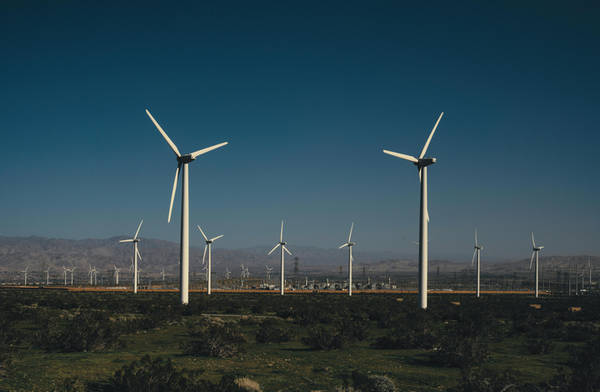
Solar and wind power play a growing role in the Philippine energy system, but their output depends on weather conditions and time of day. Energy storage systems help address this challenge by storing excess electricity when supply is high and releasing it when demand increases or when renewable generation drops. Lawmakers believe this will improve grid stability, reduce power interruptions, and enhance energy security, especially in remote and off-grid island communities.
Under the proposed law, the Department of Energy will oversee the overall implementation of the ESS framework. The Energy Regulatory Commission will be tasked with setting detailed rules related to licensing, pricing, safety standards, and grid connection. These regulations are expected to give investors and project developers greater clarity and confidence, particularly on how storage projects can earn revenue and recover costs.
The passage of the bill comes as the Philippine energy sector continues to expand rapidly. President Marcos Jr. has already inaugurated several major renewable energy projects that include battery storage. One of these is the Citicore Solar Batangas 1 project, which combines 197 megawatts of solar capacity with battery energy storage. Construction is also underway on the Meralco Terra Solar project, which is expected to become one of the largest solar-plus-storage facilities in the world. In addition, the country has started building its first lithium iron phosphate battery gigafactory in Tarlac.
Industry groups have welcomed the ESS Act, calling it a timely and necessary move. The Philippine Solar & Storage Energy Alliance has highlighted the importance of allowing “revenue stacking,” where energy storage operators can earn income from multiple services such as grid support, backup power, and peak-time electricity sales. At the same time, the group has raised concerns about potential supply chain risks, noting the country’s reliance on Chinese manufacturers for solar panels and battery components amid ongoing diplomatic tensions.
Lawmakers say the bill is designed to stabilize the electricity supply and help lower long-term power costs for consumers. According to Representative Jose Alvarez, chair of the House Committee on Energy, the measure prepares the power sector for a cleaner future while keeping electricity affordable. If the Senate passes the bill, the Philippines could strengthen its position as a regional leader in renewable energy integration.
Subscribe to get the latest posts sent to your email.
Type your email…
Subscribe
Recent Comments
0
Loading related news…